Affiliate disclosure: This post contains affiliate links. If you purchase through one, we may earn a commission at no extra cost to you. We have not personally tested this product. Supplements are not evaluated by the FDA and are not intended to diagnose, treat, cure, or prevent any disease. Talk to a doctor before starting any new supplement.
A discolored, thickened toenail is one of those problems that's easy to ignore until it isn't — until sandals season, or until it starts catching on socks, or until it spreads to a second nail. Toenail fungus (onychomycosis) is stubborn by nature: the infection lives under and inside a hard nail plate that most topical treatments can barely penetrate, which is exactly why the internet is full of oils, drops, and home remedies promising to fix it without a prescription.
Kerassentials is one option in that category — a topical oil blend applied directly to the nail and surrounding skin with a brush applicator. The label lists close to a dozen ingredients, but the ones actually doing antifungal work are undecylenic acid, tea tree oil, and clove bud oil, with lavender oil and flaxseed oil along for skin comfort. Here's what independent research says about those three, separate from the sales page.
Undecylenic Acid
Undecylenic acid is the one ingredient on this list with real regulatory standing: it's an FDA Category I topical antifungal, meaning the FDA recognizes it as safe and effective for conditions like athlete's foot and ringworm. The catch is specific to nails — FDA-regulated undecylenic acid products are required to carry a label stating they're "not effective on the nails," because getting an active ingredient through the nail plate to the infection underneath is a different challenge than treating skin.
Even so, it's generally treated as the strongest evidence-backed ingredient among non-prescription nail fungus options. Some clinical reporting puts consistent daily use at clearing 40 to 60% of mild-to-moderate infections over 6 to 12 months, while other trial data is more conservative — closer to 15 to 20%. Prescription oral terbinafine, for comparison, clears roughly 70 to 80% of cases in a 12-week course. Undecylenic acid is a reasonable first-line topical option for a genuinely mild, early infection. It's not a stand-in for prescription treatment once fungus has taken hold under a large part of the nail.
Tea Tree Oil
Tea tree oil (Melaleuca alternifolia) shows real antifungal activity in lab dishes against the dermatophyte species that cause most toenail infections. The human trial data is thinner but not nothing: a randomized controlled trial from the mid-1990s found that twice-daily application of 100% tea tree oil for six months produced a mycological cure in 18% of participants, with clinical improvement in just over half. A separate trial found it performed comparably to a prescription antifungal cream for a related skin infection.
A 2022 systematic review of alternative onychomycosis treatments concluded the overall evidence base is still too thin to recommend tea tree oil as a primary treatment on its own. And lab results showing an ingredient kills fungus in a petri dish don't automatically mean a diluted concentration in a cosmetic oil, applied to the outside of the nail, actually reaches the infection underneath in meaningful amounts.
Clove Bud Oil
Clove oil's antifungal activity comes mostly from eugenol, its dominant compound. In vitro research is fairly consistent: eugenol disrupts fungal cell membranes by interfering with ergosterol production, and lab studies have shown activity against Candida species, including some strains resistant to standard antifungal medications. Eugenol also appears to interfere with biofilm formation, which is one reason fungal infections are hard to fully clear.
Nearly all of this evidence is lab-based rather than from human trials on nail fungus specifically, so it makes the ingredient plausible, not proven. Fine to have in the mix; just don't mistake a petri-dish result for a clinical one.
What This Means in Practice
None of these ingredients, individually or combined, has strong human clinical trial evidence specifically for curing established toenail fungus. Undecylenic acid has the most regulatory and clinical backing but comes with an official caveat about limited nail penetration. Tea tree oil has some human trial support but an evidence base too thin for medical guidelines to endorse. Clove oil's antifungal case is built almost entirely on lab studies rather than people.
Realistically, a topical blend like this fits genuinely early, mild nail changes — slight discoloration, no real thickening yet — used consistently over months, with modest and variable results as the honest expectation. Once an infection has spread across most of the nail, caused significant thickening, or hung around for years, topical oils of any kind have a low success rate. That's when a podiatrist or dermatologist is worth seeing, since prescription options (topical or oral) have considerably stronger evidence behind them.
Anyone with diabetes, poor circulation, or a compromised immune system should see a doctor before self-treating any nail or skin infection, since these conditions raise the risk of complications that a home remedy won't address.
Bottom Line
Undecylenic acid is the ingredient here with the clearest scientific and regulatory footing, tea tree oil has modest human trial support, and clove oil's antifungal case rests mainly on lab research rather than people. Combination oils like Kerassentials are a low-risk thing to try for mild, early nail changes, but they're not a proven cure for established fungal infections. If a nail problem is worsening, spreading, or has been present for months, that's the point to loop in a doctor rather than keep waiting on a topical oil to catch up.
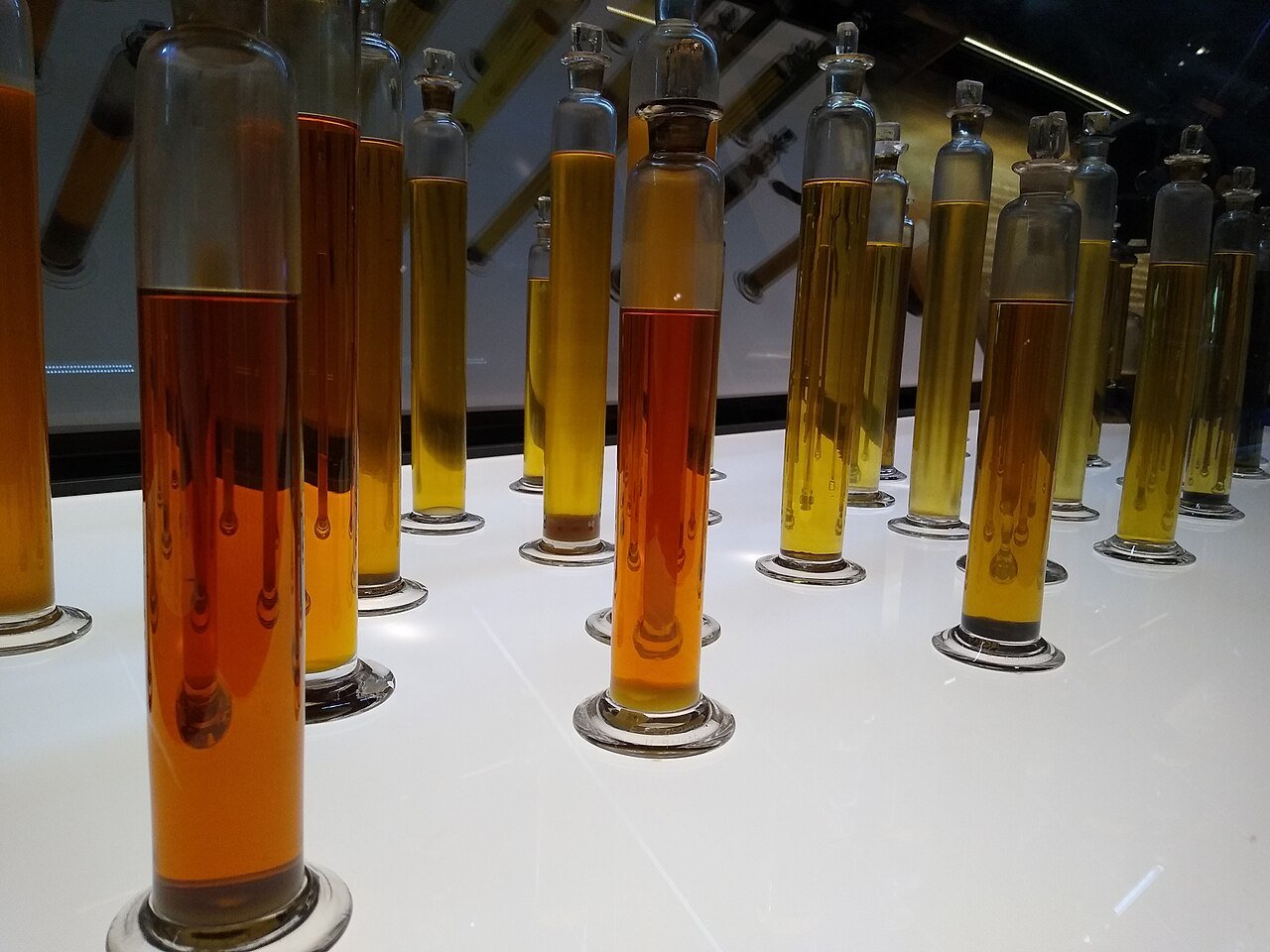
Featured image: essential oil bottles, photo by Mx. Granger / Wikimedia Commons, CC0 Public Domain.
Comments
Comments
Post a Comment